
Types of LED Neon Signs: A Buyer's Guide
Once you've decided you want a neon sign, the next question is usually: on what? The base and finish change the whole look of a sign as much as the lettering does. Here's what's actually available.
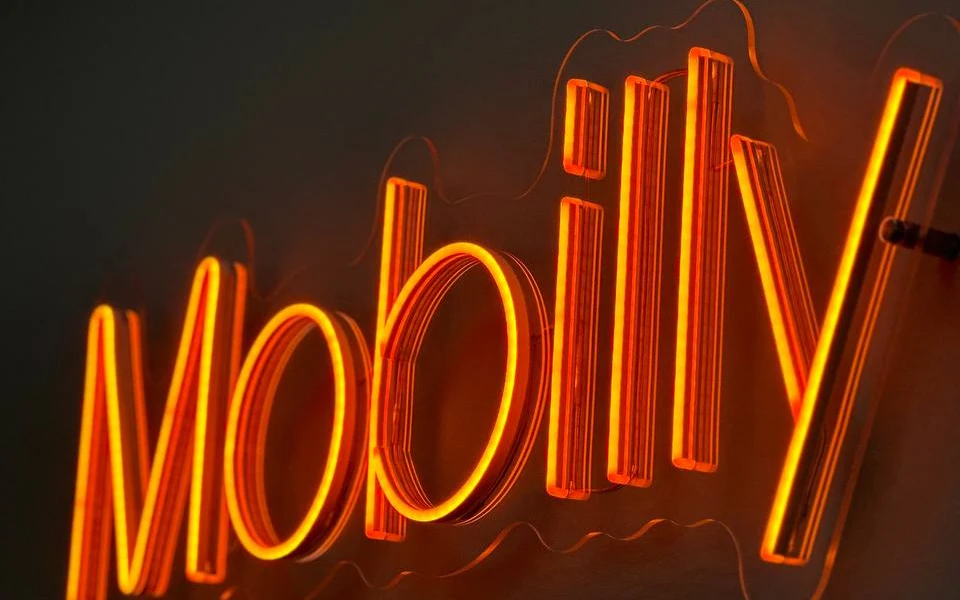
Clear plexiglass — the standard choice
The most common option, and for good reason: the LED neon sits on a transparent acrylic backing plate, so the light appears to float with no visible frame. It's a clean, modern look that suits almost any interior and shows off the sign itself rather than its mounting.
Coloured plexiglass
The same idea, on a tinted backing plate. This lets the base itself pick up an accent colour that either matches or deliberately contrasts with the neon — useful when a sign needs to sit against a specific brand palette or a particular wall colour.
Wooden base
Mounting the neon on a wood panel brings in warmth and texture that acrylic doesn't have, and suits rustic, natural or vintage-leaning interiors particularly well — think a farmhouse-style café or a wedding venue with a lot of exposed timber.
Printed base
A photo or custom graphic is printed directly onto the acrylic, with the LED neon layered on top. This is the most personalised option — a logo, an illustration, even a photograph — and works well for brands that want their sign to carry more than just text.
Metal grate
A black metal grille backing gives a sign an industrial, workshop-style edge. It suits exposed-brick venues, studios and anywhere the interior is already leaning into a raw, unfinished aesthetic.
Other options worth knowing about
- Standing bases — for signs that need to be freestanding rather than wall-mounted.
- Milled (unlit) parts — decorative acrylic elements without neon, often combined with a lit piece.
- Multi-colour combinations — more than one neon colour in a single sign.
- RGB — full colour-changing control from a phone or remote, rather than a single fixed colour.
- Tube thickness — usually a choice between 6mm and 8mm for standard colours (RGB is typically 6mm); thicker tubing reads as bolder from a distance, thinner suits fine detail and lettering.
- Mirror and 3D bases — for a more dramatic, dimensional effect.
Choosing between them
There's no single "best" option — it depends on where the sign is going and what it needs to do. A shopfront logo usually wants clear or coloured plexiglass for maximum visibility; a wedding sign often suits wood or a printed base for warmth; a studio or bar leaning into an industrial look might prefer metal grate. If you're not sure, send us the space (or just describe it) and we'll suggest what tends to work.